News
Limadou General Meeting 2025 takes place in Rome
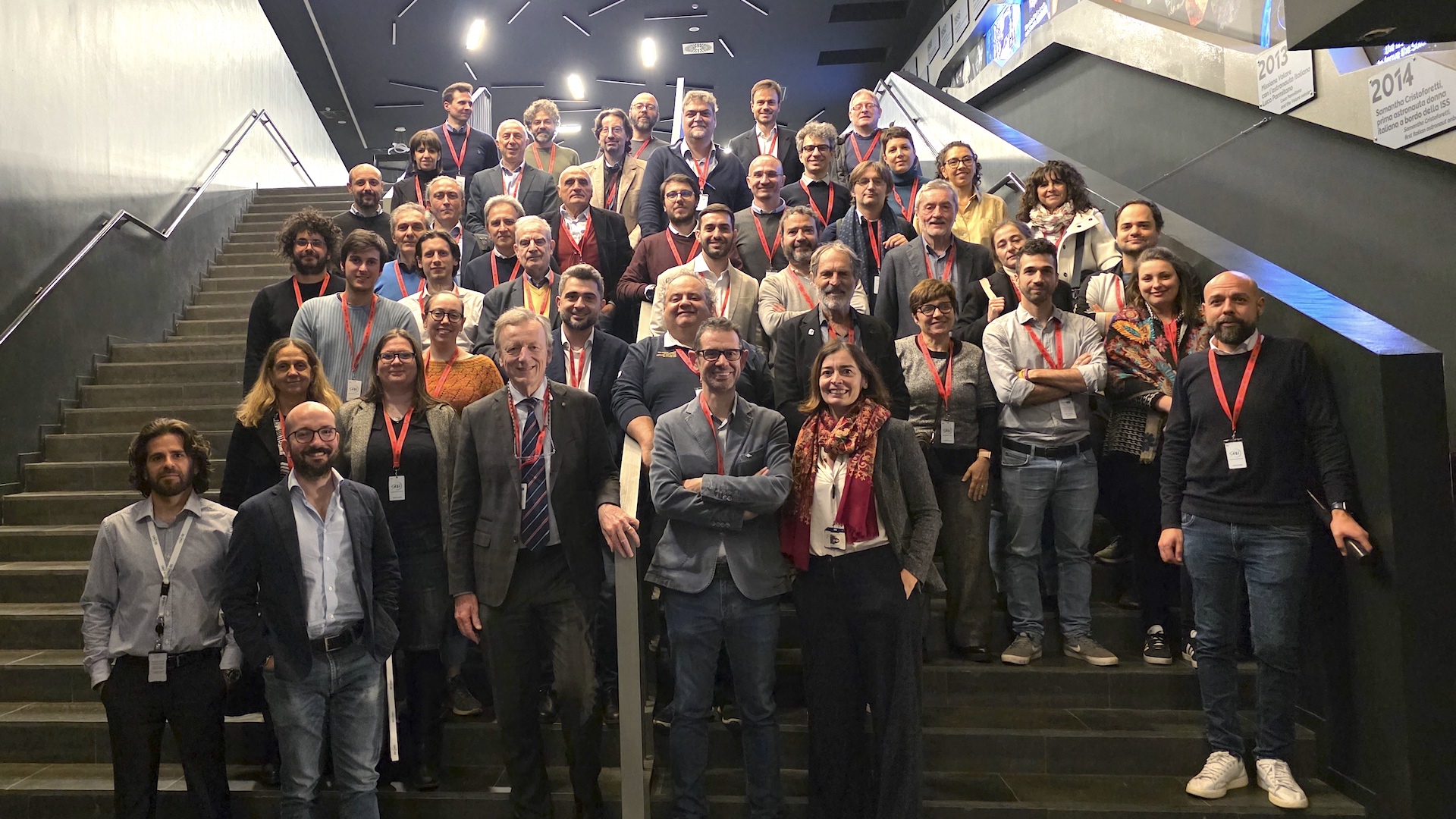
On the 20th and 21st of November 2025, the “Limadou General Meeting 2025” was held at the ASI headquarters in Rome. During this two-day event, the “Limadou EXPO – Limadou EXploitation and Payloads Operation” agreement was signed, giving new impetus to the joint activities of the Italian Space Agency (ASI) and the National Institute for Nuclear Physics (INFN), in collaboration with several research institutions and universities, including the National Institute for Astrophysics (INAF), the National Institute of Geophysics and Volcanology (INGV), the University of Rome “Tor Vergata”, the University of Trento, and the University of L’Aquila.
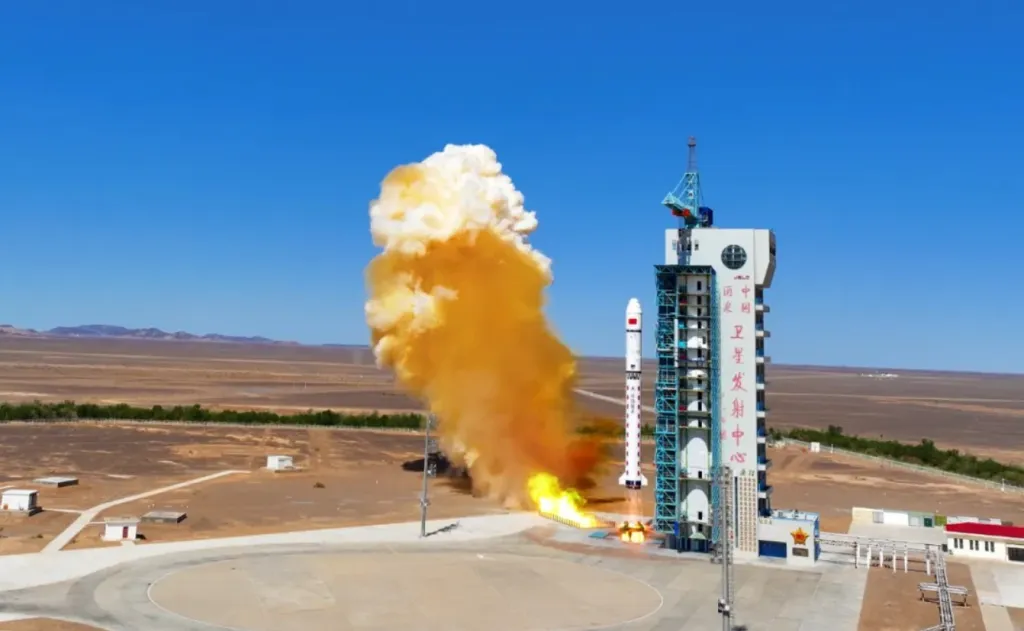
The “Limadou EXPO – Limadou EXploitation and Payloads Operation” agreement marks a further evolution in international scientific cooperation for the study of the Earth and near-Earth space, continuing the long-standing Limadou–CSES partnership between ASI and the China National Space Administration (CNSA). This initiative builds on the scientific work initiated with the CSES-01 (China Seismo-Electromagnetic Satellite) mission, in orbit since 2018, and will focus on analysing data from the next-generation CSES-02 satellite, successfully launched on 14 June 2025 and currently in its commissioning phase.
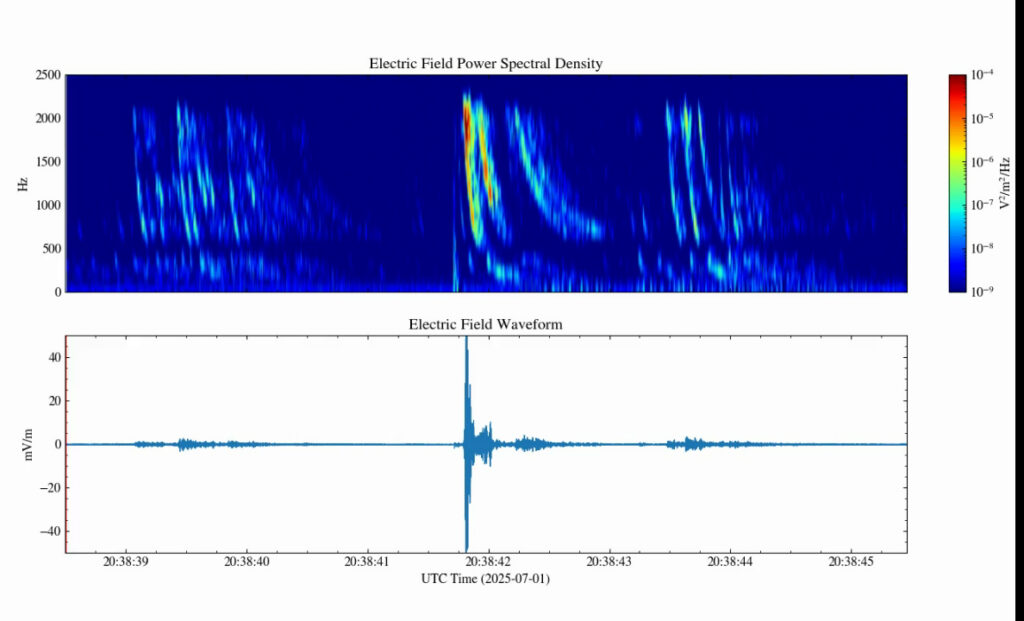
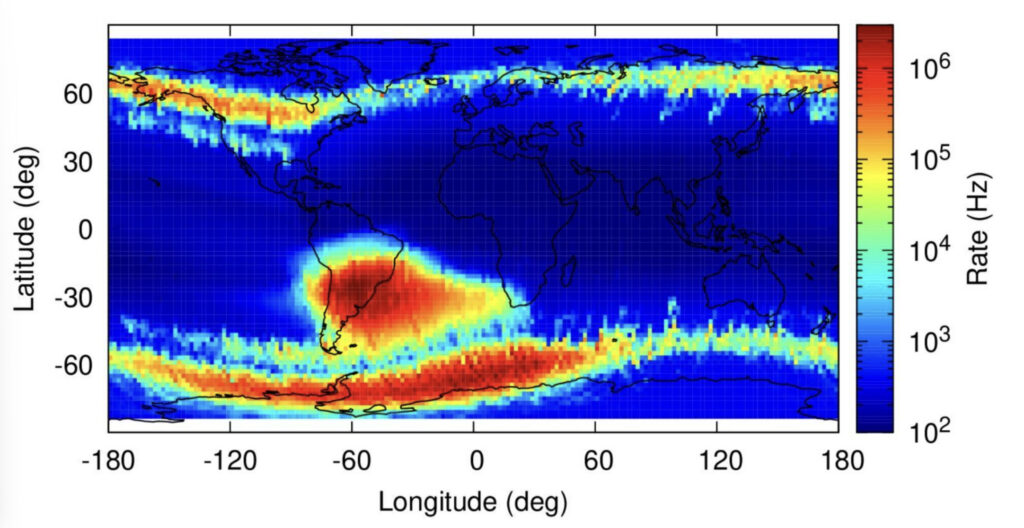
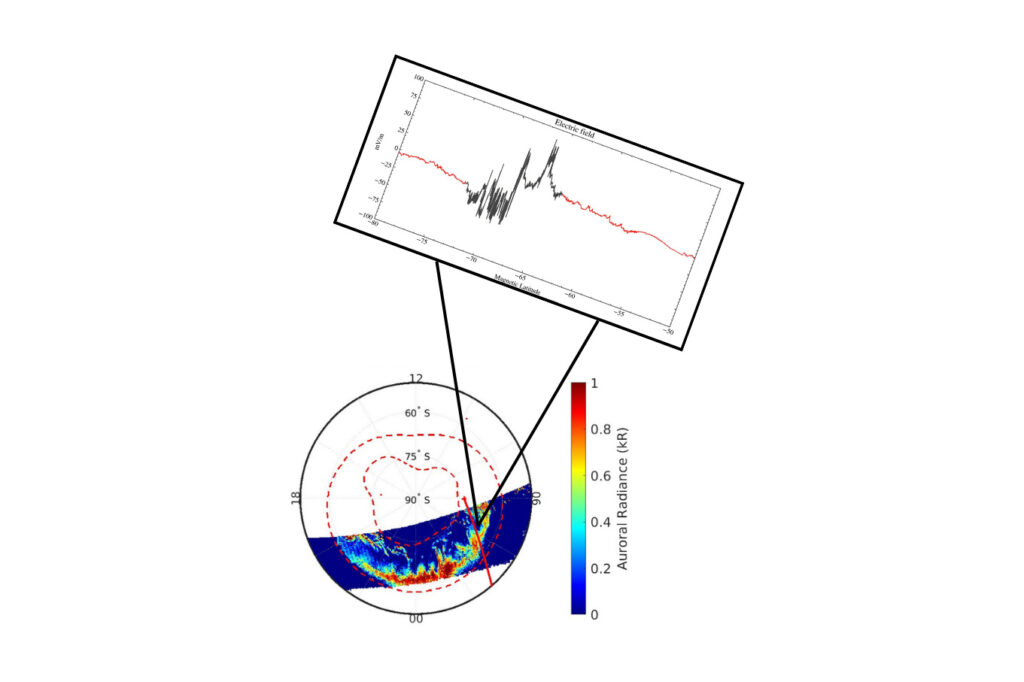
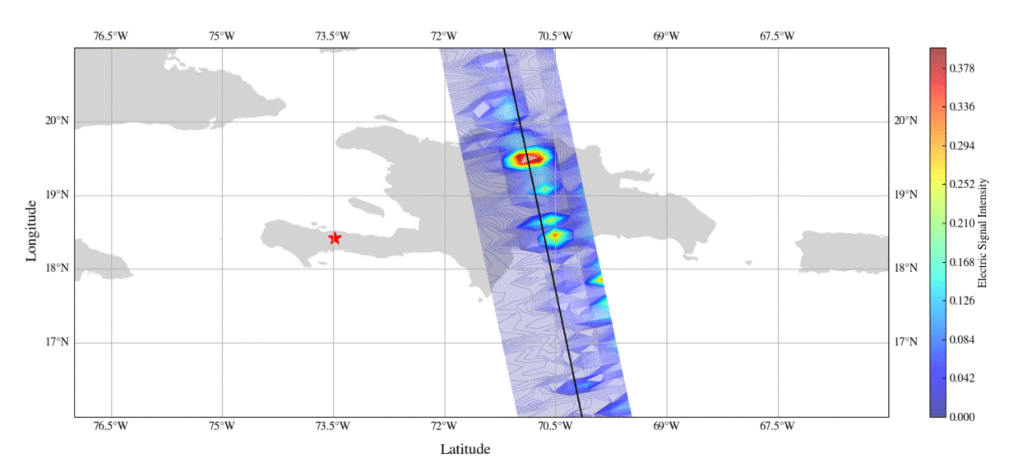
CSES-02 will continue the observational activities of its predecessor, CSES-01, with the primary objective of studying ionospheric and magnetospheric phenomena associated with extreme and rapid geophysical events, such as earthquakes and space-weather disturbances. The payload of CSES-02 hosts an advanced suite of scientific instruments, two of which were entirely designed and built in Italy: the High-Energy Particle Detector (HEPD-02), developed by INFN in collaboration with CNR and the academic community, and the Electric Field Detector (EFD-02), produced jointly by INFN and INAF. As with the first mission, CSES-02 data will be made available to the national and international scientific community through ASI’s Space Science Data Center (SSDC).
The high quality and volume of the data collected will allow for further development of the Lithosphere–Atmosphere–Ionosphere–Magnetosphere Coupling (MILC) model, extending investigations into the pre-seismic phase. The combined use of measurements from CSES-02, CSES-01, and other available satellite constellations will contribute to improving the monitoring and mitigation of the harmful effects of natural disasters and space-weather events.